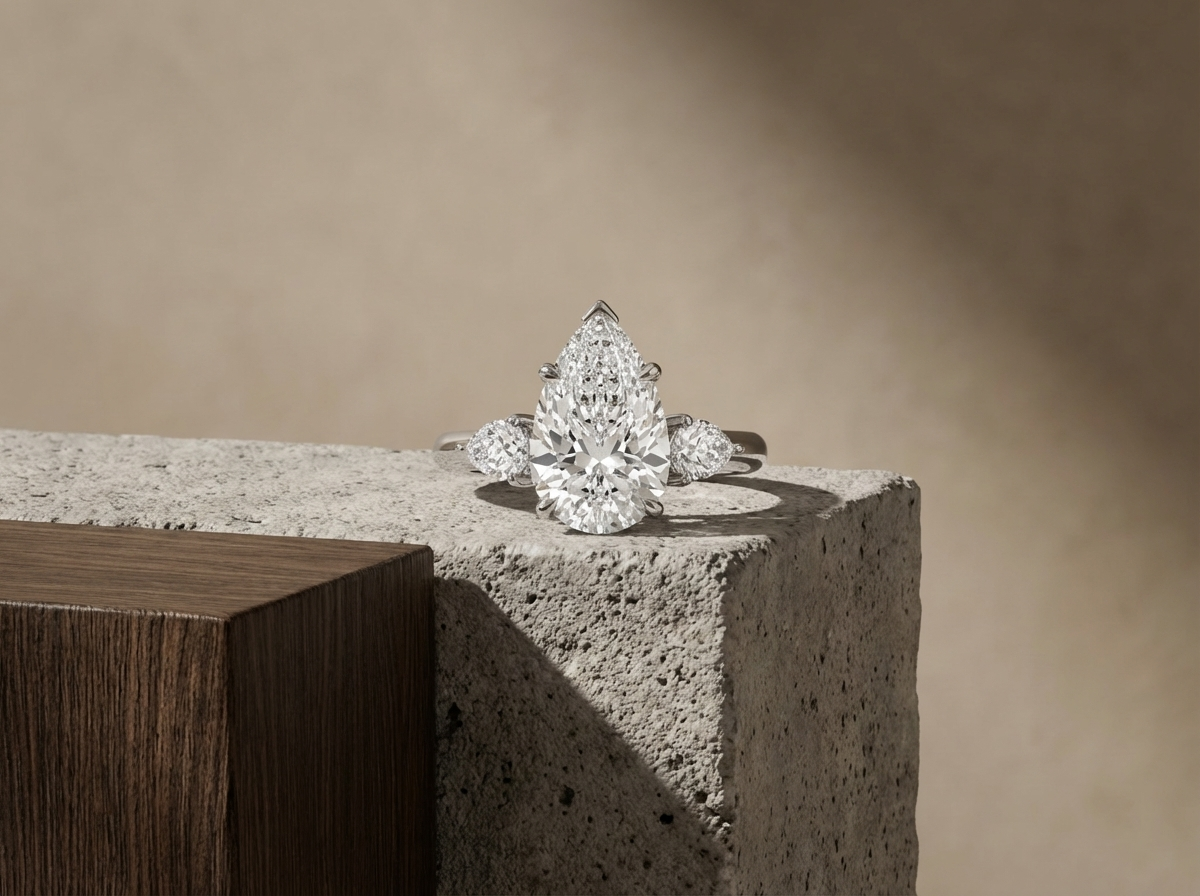

lab grown diamonds
You need to know what makes platinum engagement rings different. It is a metal that is dense and durable. Platinum holds its shape well. It does not wear down easily. It keeps the diamond secure. This makes it ideal for engagement rings.
Platinum rings feel heavier than gold or silver. This weight can be a sign of quality. Platinum is naturally white. You do not need to plate it. Over time, it develops a soft patina. This can add character without losing strength.
Choosing the Right Platinum Ring
Look for a ring with a clear hallmark. This shows the purity of the metal. Pure platinum is usually marked 950. Check the fit. Platinum rings can feel tight at first. You may need a professional adjustment. Think about the style. A simple design will last longer. Complicated shapes need more care.
Lab Grown Diamonds Explained
Lab grown diamonds are real diamonds. They have the same chemical structure as mined diamonds. They reflect light the same way. You can test them as you would a natural diamond. They come in many sizes and shapes. You can get a round, princess, or oval cut.
Lab diamonds can be less expensive. You can use the savings to choose a bigger stone. The quality depends on cut, color, and clarity. You need to examine each factor before buying. You can compare diamonds using certificates. These tell you the exact measurements and grading.
Picking a Lab Grown Diamond
Check the cut first. The cut affects sparkle the most. Look for symmetry. A well-cut diamond shines evenly. Examine color next. Colorless diamonds are rare. Slightly tinted diamonds are fine. Clarity is last. Small inclusions do not affect beauty. Focus on stones that fit your budget and style.
Combining Platinum and Lab Diamonds
Platinum engagement rings pair well with lab grown diamonds. The metal holds the stone tightly. You can choose settings like solitaire or halo. Solitaire shows off the diamond. Halo adds extra sparkle. Consider the lifestyle of the wearer. Simple settings are safer for daily use.
Measure the diamond size against the ring. Platinum supports heavier stones. You can pick a larger diamond without worrying about strength. This makes it practical if you want impact without risk.
Maintaining Your Ring
Platinum rings scratch differently than gold. The scratches push the metal instead of wearing away. This can change the finish but not weaken the ring. You can polish it to restore shine. Lab diamonds need cleaning too. Warm water and mild soap work well. Dry with a soft cloth. Regular care keeps the ring looking new.
Making a Decision
Decide what matters most. Is it durability or cost? Platinum engagement rings are durable. Lab diamonds may save money. Think about size and style. Make a list of priorities. Visit a jeweler to see options in person. Try on rings. Compare stones under light. Take your time. Choosing a ring is a personal decision. You will wear it every day. It should feel right.
Consider the long-term view. Platinum will last for decades. Lab diamonds retain value in beauty. They do not fade or discolor. Your choice combines strength and visual appeal. You can match your lifestyle with the metal and stone. A thoughtful selection makes a ring meaningful and practical.
Summary
Platinum engagement rings are strong and long-lasting. Lab grown diamonds offer flexibility and affordability. Check metal purity and diamond quality. Choose a design that suits daily life. Maintain the ring with simple care. Focus on cut, clarity, and color. Pick a style that matches the wearer. A careful choice ensures a ring that lasts. It can shine for years without compromise.
About the Author